


[Film folks: I’m hosting private screenings of Brother Verses Brother in NY & LA. Contact me if you’d like to sing to our wine bottles.]
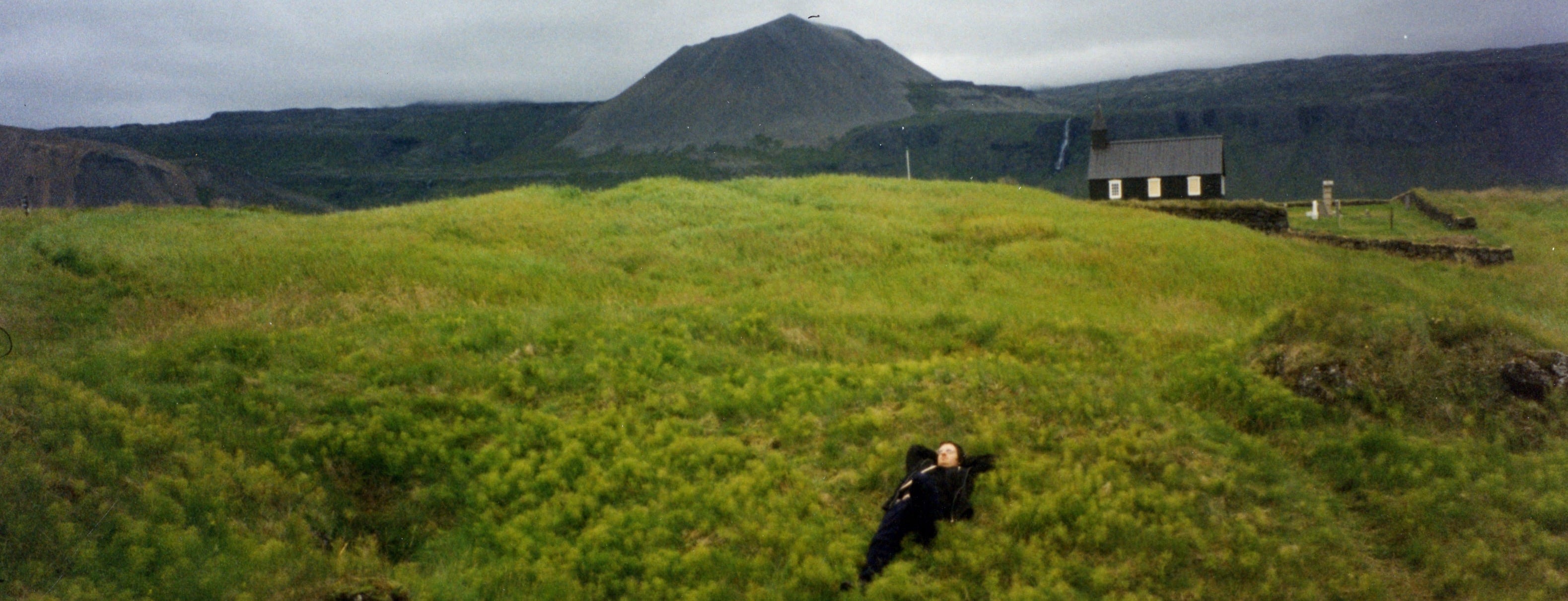
I was stopping over for a night in Iceland, and decided to re-gift to a friend a bottle of cheap wine from my hotel in Paris. We opened it. Battery acid. Before he poured it into the moss, I asked him to try a different kind of decanting.
I said, “Imagine it’s a rare bottle from a micro-vineyard on a tiny island in the middle of a river in Southwest France. The family has tended these vines for 150 years. This is a legendary 1923 vintage - the year Europe was drunk with post-war exuberance. This bottle is worth $17,000. Let’s drink again.”
We drank. And it tasted complex, weirdly warm, rich. Spicy. Good. A wine that had been objectively awful was now special.
This same sorcery runs the way we experience movies.
The Alchemy of Perception
Imagine a movie called A Poet. It’s my favorite movie of last year - a Colombian heir to Sideways, where the hard-drinking Miles character doesn’t even have one friend. Find it on a free streaming site with a low-res thumbnail, and you might turn it off in ten minutes, thinking it’s too sad and ramshackle. But let a prestige distributor like A24, Mubi, Neon, Criterion, or 1-2 Special make a nice poster and charge money for it. We can see the film’s genius now - heartbreaking, riveting, hilarious. The film didn’t change. Or did it?
Distribution isn’t just logistics, it’s the friend telling you the bottle is worth $17,000, or that she wrote a rave on Letterboxd. I’ve seen this from the inside: a movie that feels like a disaster in a half-empty test-screening becomes a masterpiece once it’s framed by Cannes laurels and a prestige price tag.
The Sideways Effect
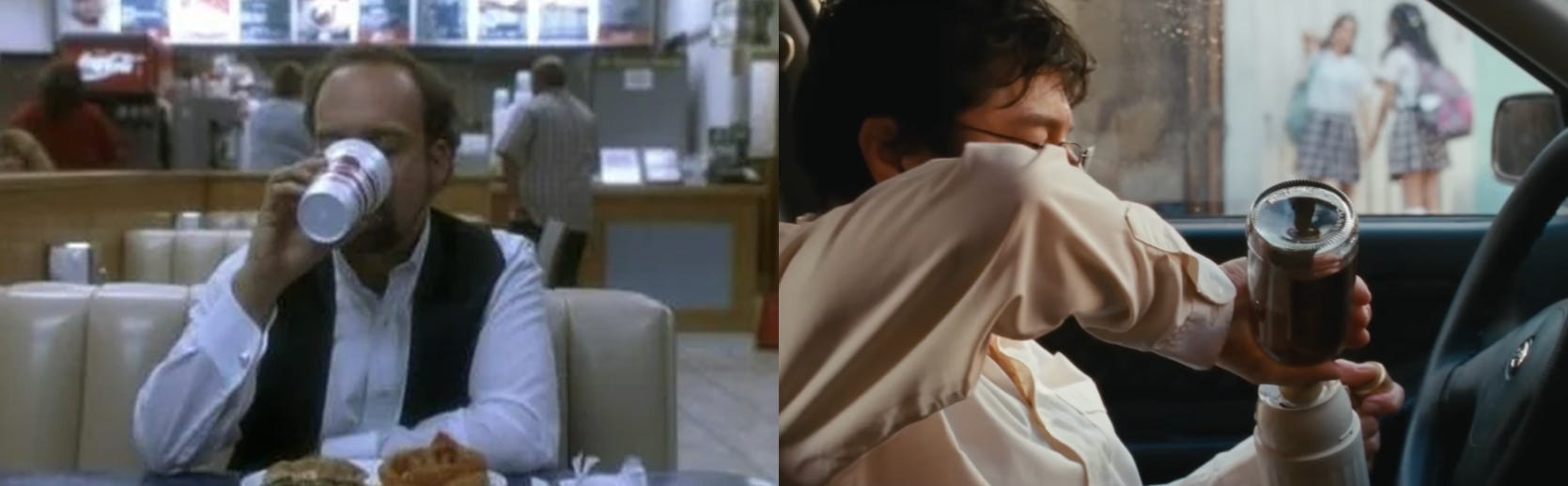
We saw this play out nakedly with Sideways. Miles’s rant (“I am not drinking any fucking Merlot!”) didn’t just write itself into film history, it crashed Merlot’s market price and sent Pinot Noir sales surging. One grape became the wine of the unimaginative. The other became something to seek out and understand. The grapes didn’t change. The soil didn’t change. Only the story changed, and the culture’s palate shifted with it.
We are all Miles, all the time, riding the waves of narratives we didn’t write and mostly can’t see.
Dregs on the Edge of the Wineglass
There is a cynical read here: that we are just tricking our brains. The Japanese researcher or quack Masaru Emoto claimed that water exposed to loving words formed beautiful crystals, while water exposed to hostility formed chaotic ones. Science dismissed him when his results were unrepeatable.
And yet.
Are we so certain that perception is a one-way street? If a story can change the market value of a grape, or the way my mouth perceives a 2-dollar wine, is it possible that intention actually leaves a residue?
I challenge you to run an experiment. Get two identical bottles of the cheapest wine you can find. Spend an evening with Bottle A, cursing it, telling it it’s garbage, the barrel-of-piss treatment. Take out your childhood trauma on that bottle.
Bottle B gets the opposite. Speak to it as a lost relic, a legendary vintage that survived against all odds. And the greatest lover of your life.
Then take both bottles outside, and offer glasses to strangers without telling them which is which.
Maybe the wine will taste identically mediocre. Or maybe there will be a difference. And if there is, we won’t know which explanation to reach for: that you changed the wine, or your tongue. Or both.
We do this to our cities, our memories, our lovers, our enemies, our fathers, our mothers, our sons and daughters.
What story are you telling to the thing you’re about to drink? Make it a good one, fucker.
Try the experiment. Then come tell me what happened here:
The topic is interesting Ari, but your screenshot from Brother vs Brother made me want to see it again and share with my family. Is there a place to watch it online?
Btw- I've gotten over being Sideways'd out of drinking Merlo. I like it more than Pinot. Eat it Miles!
Again, really great writing, Ari. Always inspiring, as well.
This latest of yours makes me think of two things. The first is that I've heard that if you survey random people regarding blind wine tastings of a very expensive wine, a quite decent wine, and a cheap wine, it's the cheap wine that is favored by most for the simple reason it's more sweet than the other two. The vast majority of people are not able to assess the finer qualities of a good wine. The second thing your latest brings to my mind is a news story from a few years ago. The story told of a world class cellist, I think it was, who was busking in the underground of the DC or NY transit system. Here he was playing the most beautiful music, and with the highest skill, while hundreds and hundreds of people rushed by with barely a glance. It was a small minority of folks who understood that this was somebody quite special and/or plainly recognized him. Just makes me think we need to open our hearts and minds much more...not to mention our ears and eyes. The piece may have been on 60 Minutes. Rock on!