


People ask how Francis Ford Coppola became part of my one-shot musical Brother Verses Brother, so I'm sharing this serialized tale. This essay is about the influence of Werner Herzog, whom Francis recently presented with his own Lifetime Achievement award.
We all have a project that feels 'utterly undoable.' For me, it was a one-shot musical filmed on the streets of San Francisco. I didn't have a budget, but I had Werner Herzog’s voice in my head telling me I’d be cooked like a hamster.
Do the Doable + Do the Delusional
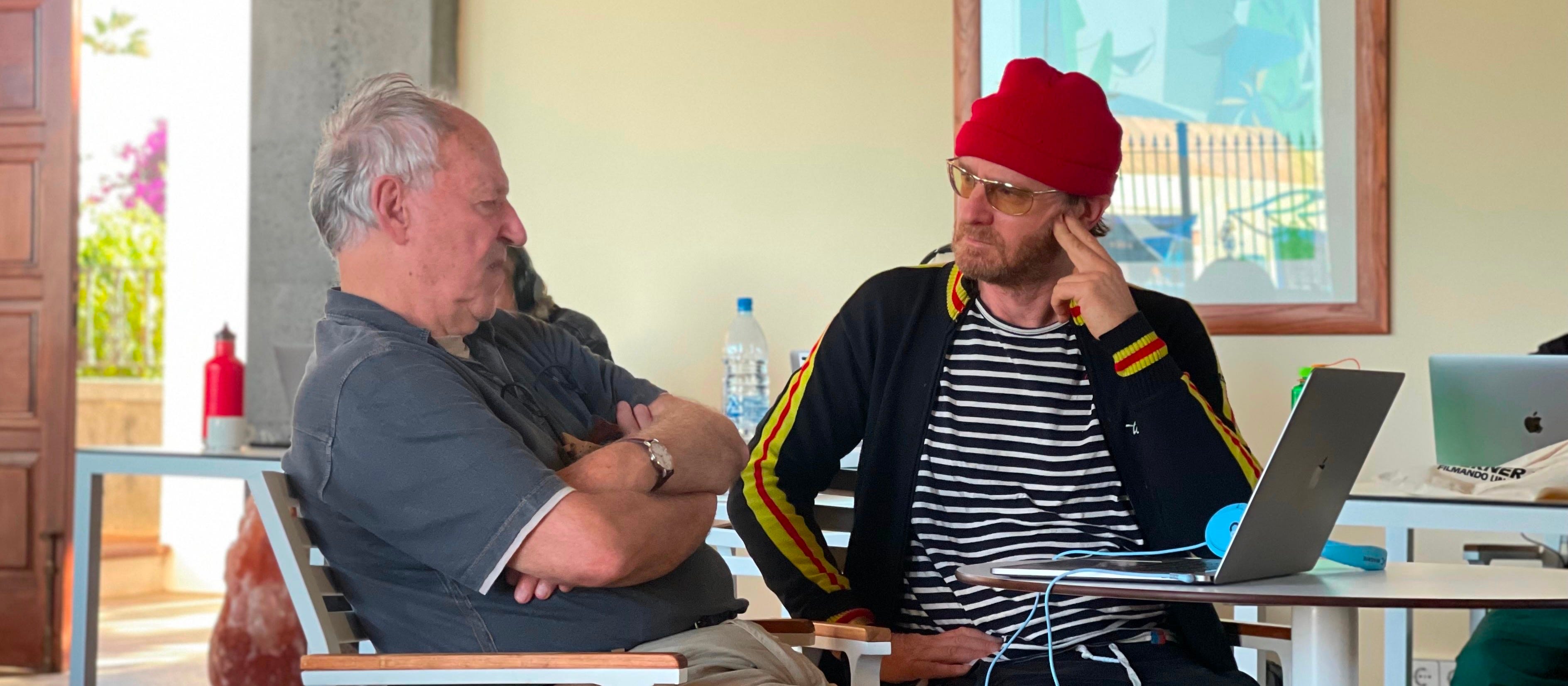
"This is utterly undoable."
So Werner Herzog said when I pitched him a short film at his one-week-film-school run by La Selva in Lanzarote, Canary Islands. My proposed plot: a painfully ignored metalhead teen-girl watches Hare Krishnas flood the streets, then hides under the sea where she is transformed by a witch, and then returns to exact revenge on her peers. I'd be the entire crew—writer, director, cinematographer, lighting, sound recordist, editor, and sound mixer—and make the film start-to-finish in four days.
Herzog was skeptical of my unrealistic proposal until I told him I'd already filmed Hare Krishnas on the island the night before, and found underwater caves and a self-proclaimed witch. "Ah," he said. "Then you do it.”
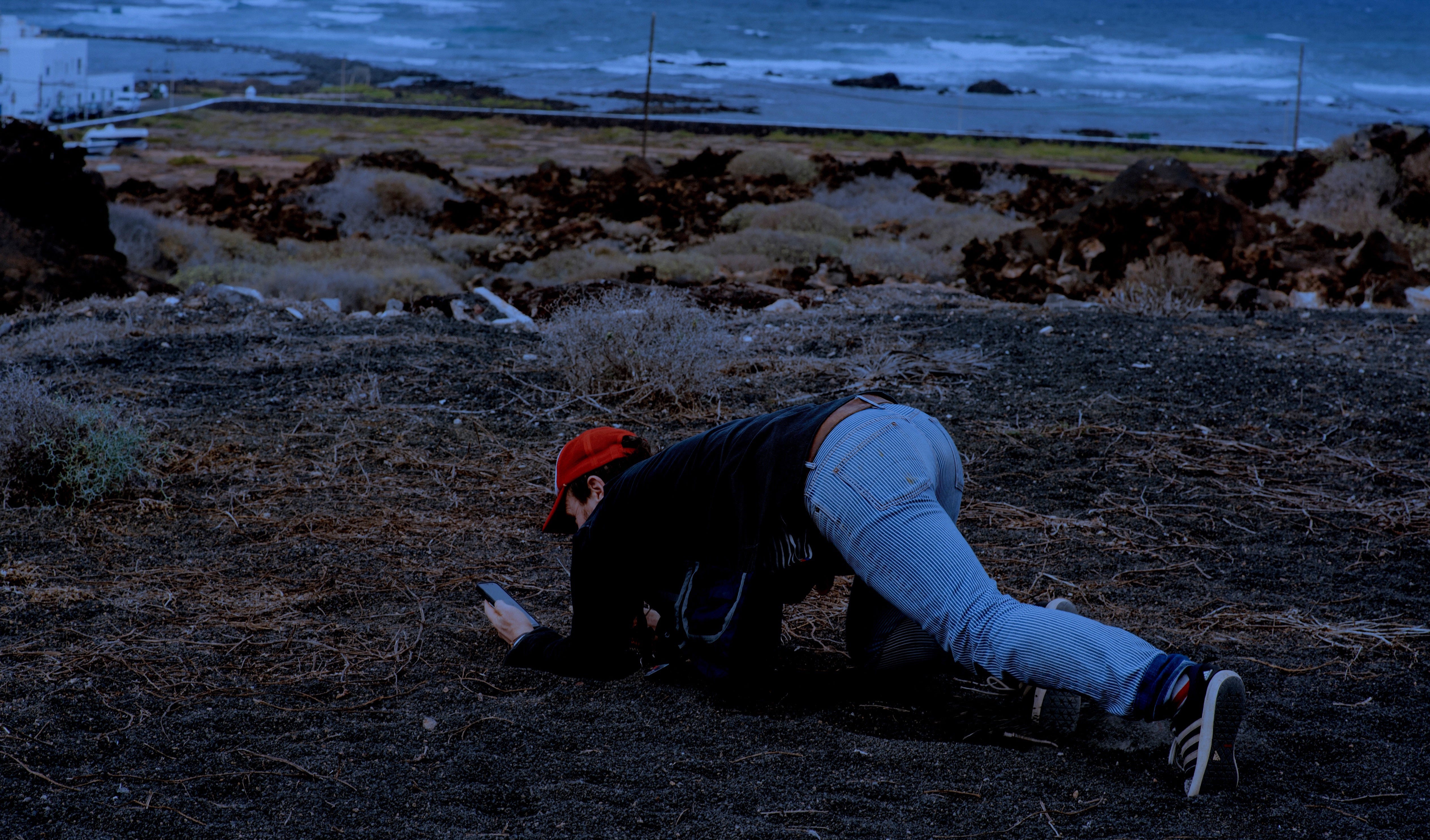
“Do the Doable”
Herzog's philosophy sounds like a contradiction to his audacity as a filmmaker - until you live it. "Do the doable" means: stop making excuses and create something you can actually execute. He took issue with his filmmaker friends (including Coppola, who hadn’t yet dived into Megalopolis) for complaining they were awaiting a budget from Hollywood. Werner said you must do what you CAN do. But I knew that Herzog's definition of "doable" included hauling ships over mountains and hypnotizing actors into eating glass, so I think the trick is: delusional becomes doable when you commit to it.
My week making “Mírame” (link to video there, in case you’re curious) in Lanzarote's volcanic landscape would prove essential for “Brother Verses Brother.” I was standing in a volcanic cave in Lanzarote with a self-proclaimed witch and a group of Hare Krishnas in my head, trying to convince the most intimidating man in cinema that I wasn't insane.
He told me I would be 'cooked like a hamster in a microwave.' He was right.
If I could film a girl transforming underwater with no crew at all, I could film myself hunting for my father with a few people supporting us.
The Principle of the Immediate: Don’t wait for a “yes.” Herzog’s definition of “doable” isn’t about being realistic; it’s about being committed. If you can’t film the mountain, film the rock at your feet. If you can’t find the actor, play the part yourself. Action creates its own permission.
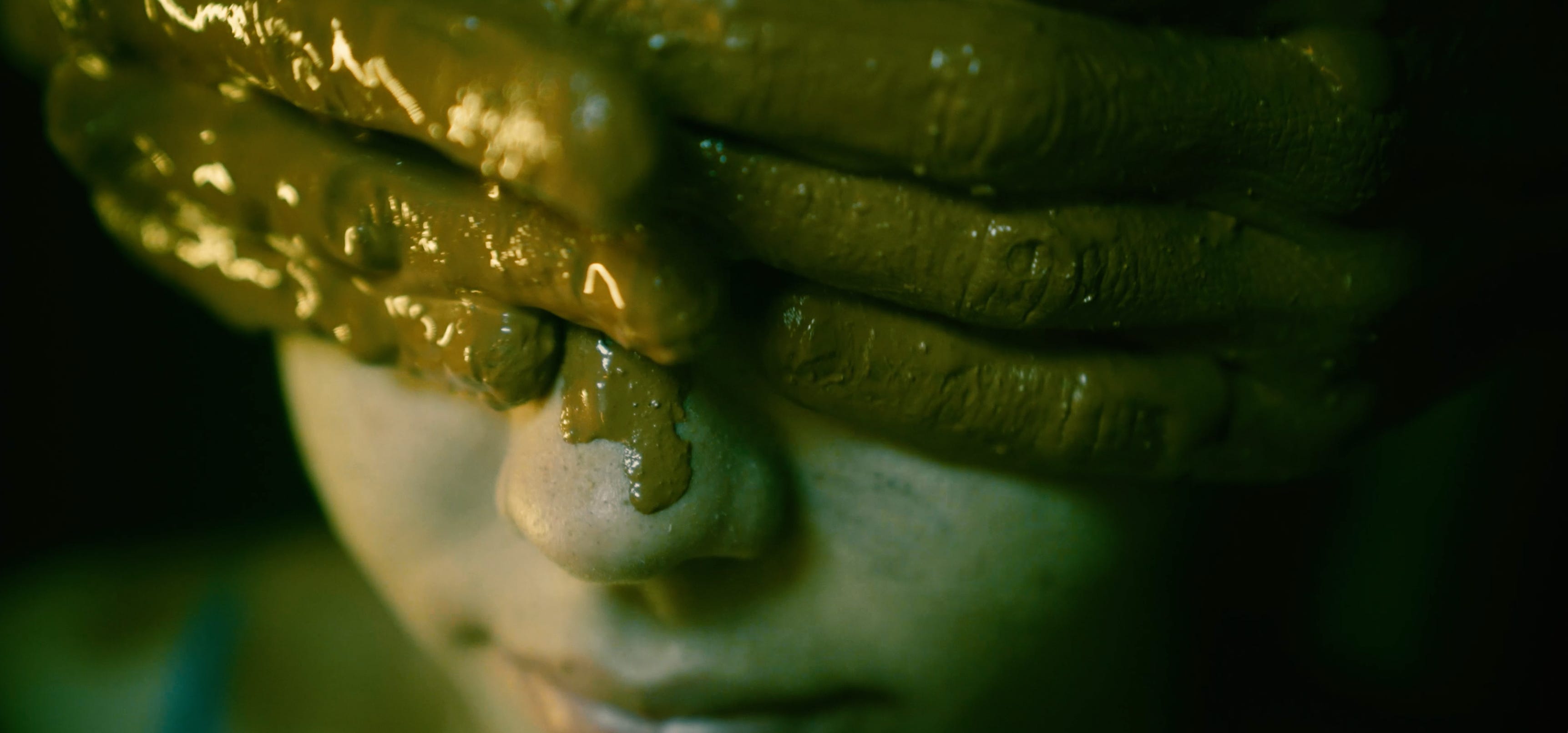
“You will be cooked like a hamster in a microwave”
With Werner’s warnings echoing in my head, we established headquarters at Tibor Szabo's art gallery off Columbus Avenue. While Tibor poured wine or played his violin, I covered his walls with maps, timing charts.
One technical challenge that scared me: How do I communicate with crew while acting? We developed hand signals—ear touch for "slow down," chest tap for "speed up," head scratch for "we're fucked but don’t stop." Stefan and I drilled, him walking backwards through traffic while I guided him with pressure on his back, singing to him.
"Your actors should not cry. Your audience should cry… Set is a no crying zone"
When you are the director of your own life—or your own team—you have to hold the tension so the work can release it.
When I wanted to cry from frustration, or terror that my dad might die, I'd just slap myself and keep going. But what if your actors are your actual family? What if the tears are real? Directing your twin while playing his twin breaks your brain. You're simultaneously subject and object, performer and mirror.
In Lanzarote, finding the Hare Krishnas and a witch while scouting transformed my story. Now our inability to separate performance from reality would become Brother Verses Brother's engine. This was Coppola orthodoxy too: the making of the art is also the art.
The Principle of the No-Crying Zone: Art requires a separation of the "Subject" and the "Object." On the set of Brother Verses Brother, I was directing my actual father and my twin while trying not to collapse. You are the lightning rod. If you collapse, the set collapses. Hold your own tension so the work can release it later.
"Storyboards are the instrument of cowards"
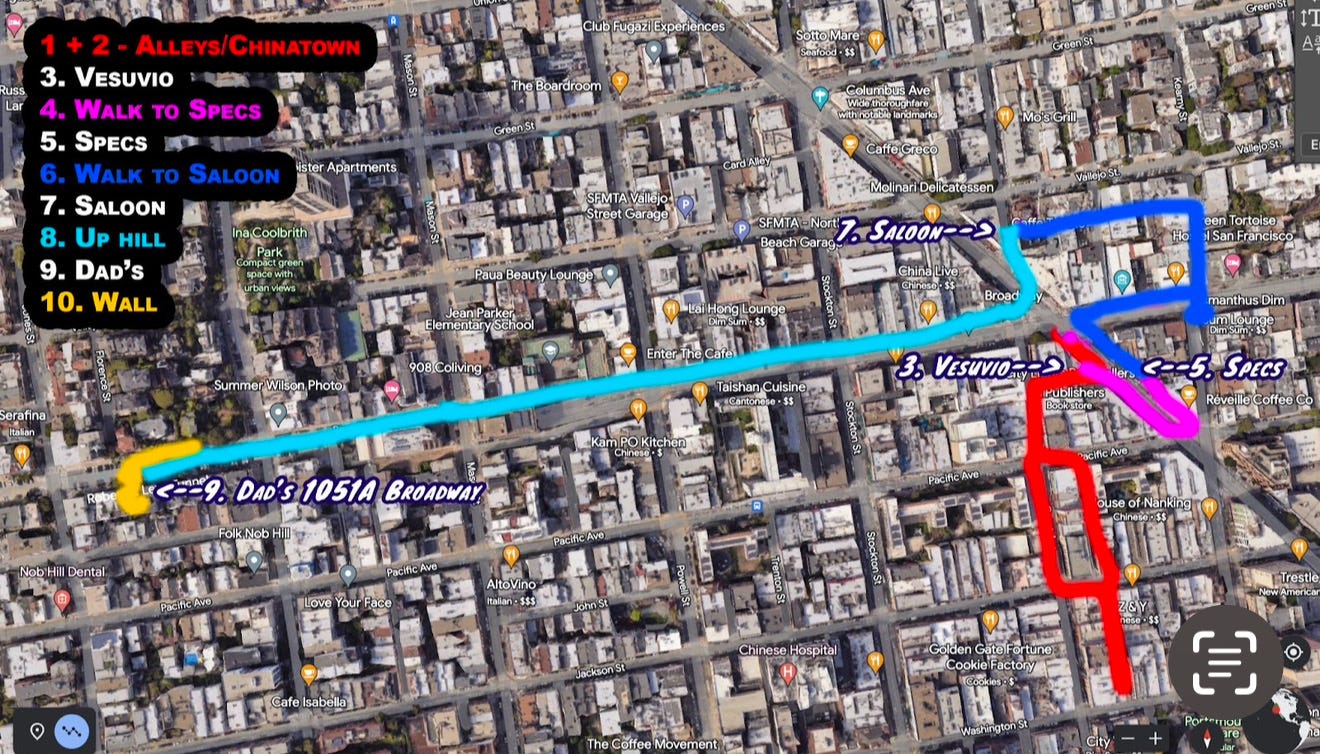
Instead of shot lists, I created emotion-maps for each location:
Kerouac Alley: Artist ignored, father and brother absent. Start with fear of failure. Chinatown: Fight for fraternal harmony. Vesuvio: Split into two, add romance, dad still missing. Street: Dad’s books forgotten, Mom’s spirit remembered, passing Zoetrope. Specs: Brian from Weezer as the success that eluded our lives, effortless charm. Dad's photo finally appears on wall. Battle for musical-emotional breakthrough, hint of the risk: Ethan’s dissolution. Bathroom Conference: Twin pathology in a toilet. The Saloon: Fight with Hell’s Angel. Ethan vanishes. Hill: Each step raising stakes, will Dad be dead? Instead, brothers return to teen-era fight. Blood (whose?). Dad's: Terror and frozen lentils. Mom's spider plant. Wrong songs. The Wall: Love versus Letting go.
Each scene had several songs mapped—"It's Never Enough" for despair, "Leitungswasser" for energy, "Our Love is Beautiful" for hope. We’d have to feel out what fit.
This is the Emotion-Map. If you are stuck in your own 'undoable' project, stop mapping the plot and start mapping the temperature. Don't plan the shot; plan the feeling you want to survive
"You are not a fly on the wall. You are a filmmaker. You have to interfere."
I had to control the story somehow. This wasn’t real life, and the narrative had to move with force and pace. Jaws, except about twins, and the shark is a dying father.
I knew that the city would be a loud and disruptive character. Recording dialogue against Atlantic waves prepared me for San Francisco's acoustic assault: the Columbus bus bombing through every 12 minutes, construction and tourists yelling at us, bar music bleeding through walls, street performers competing for attention. Fine, make S.F. one of the main characters.
Meanwhile, Dad's literal 90% deafness might affect his appearance (or disappearance). Would he know when to enter the frame if he couldn’t hear us? He understood the movie I wanted to make, but as in real life, would likely monolog (or go to sleep) (or die) as he saw fit. Perfect metaphor for our relationship.
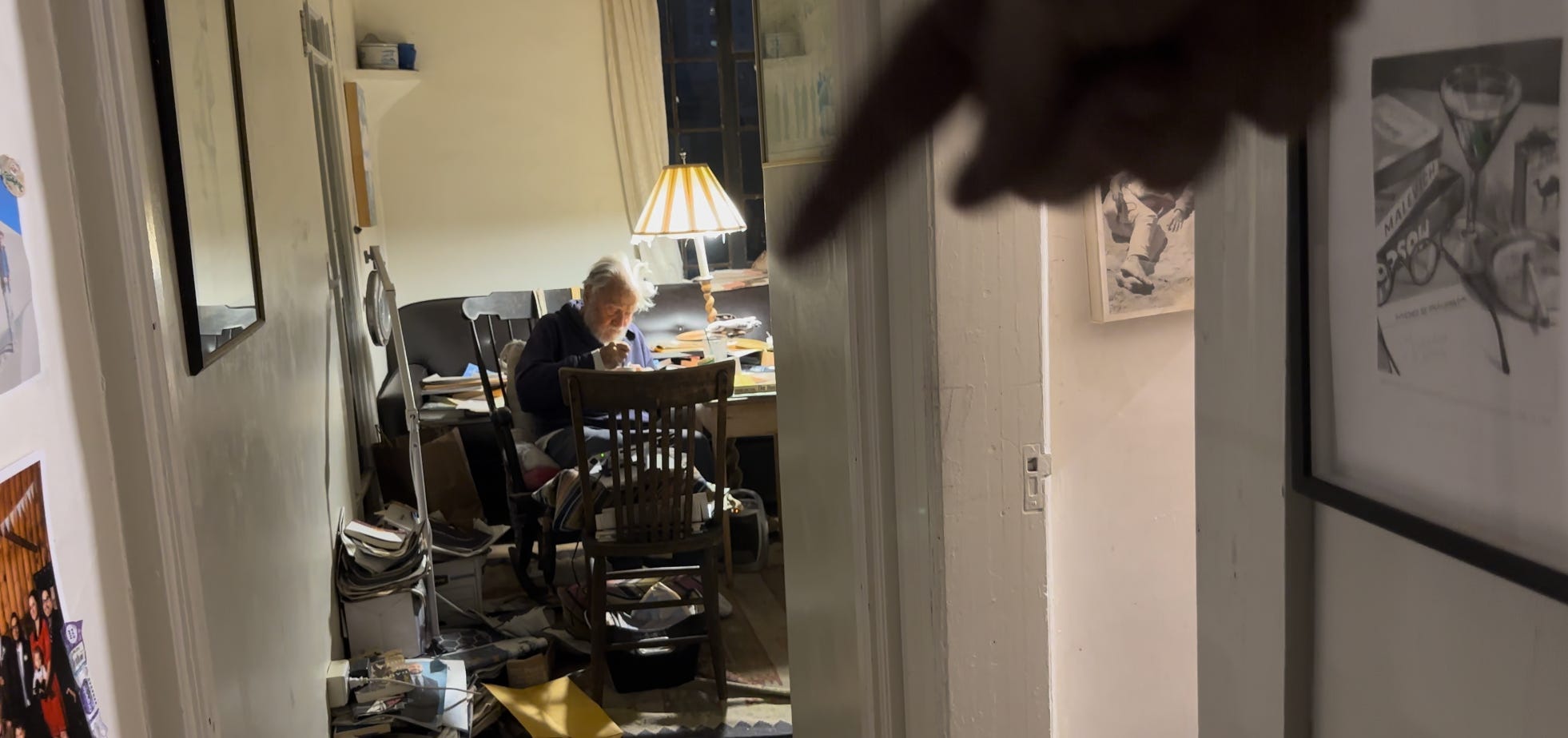
“Three Guarantees: My honor. My face. My handshake.”
I wanted to live these guarantees, and promised my family and my crew that I would be present for all of them. But still, my anxiety as the director would make my character manic and anxious. So be it. My brother Ethan could be cool as a cucumber.
Calling something undoable is foreplay to making it exist.
We had 90 minutes to discover if a one-shot family musical was doable. The gigantic note on my phone, spelling out the themes and songs of each scene, would disappear like witch-spells doodled with my finger onto the surface of the sea.
“Doable” is far better than “perfect” as a goal. I knew that the film I planned would transform into something else the moment I said “Action.” What lived would be something else, born from pressure and accident - and grace.
What is your Lanzarote? What is the project that everyone - including the Herzog in your head - says is 'utterly undoable'? Start it today. Use the 'Head Scratch' signal if you have to, but don't stop. Because 'Doable' is a better god than 'Perfect'. Tell us here -
👋🏽 Which camera did you use to make Mírame?
Thanks for the nudge to take the next step!
Saw this back in May in Chicago and loved it. Is there anywhere where I can listen to all the songs featured in the movie? There are few I’ve been dying to hear again